A silicone labelled “100%” or “weatherproof” does not tell you whether it belongs in a perimeter weatherseal, an insulating-glass unit or a structural-glazing joint. By the end, you will know how to classify the product, check its technical evidence, test it against your actual façade materials and judge the practical value a specialist dealer adds.
Key takeaways
- Specify weatherseal, glazing or structural silicone before selecting a product.
- Confirm cure chemistry and adhesion for every substrate in the joint.
- Request the technical data sheet, batch details and test documents.
- Check joint dimensions, backer rod placement and tooling during installation.
Start with the application: weatherseal, glazing seal or structural silicone
Choose the sealant by the joint’s job, not by a label claiming “100% silicone.” A façade silicone sealant used to stop rain and air is not automatically suitable for holding glass or sealing an insulating-glass unit.
| Application | What the silicone must do | What to confirm |
|---|---|---|
| Weatherseal | Seal façade, frame and panel joints against water and air while accommodating movement | Weatherseal classification, movement class under ASTM C920, and adhesion to the actual finishes |
| Glazing seal | Seal glass to a frame or provide an insulating-glass secondary seal without damaging coatings or spacers | Glazing silicone compatibility, tested adhesion, and resistance to condensation, ultraviolet exposure and temperature cycling |
| Structural glazing | Transfer designed wind or dead loads from glass to the supporting frame | Structural silicone sealant qualification, supplier design values, project testing and engineering to ASTM C1401 and ASTM C1184 |
Use weatherseal for a non-load-bearing perimeter joint. A glazing silicone is appropriate only when its data and compatibility tests cover the glass coating, aluminium finish, spacer and adjacent materials.
Select structural silicone sealant only after the façade engineer checks wind load, dead load, bite, joint geometry and allowable design strain. A site pull test can expose poor preparation; it cannot replace structural calculations or laboratory testing.
Check the expected movement before fixing the joint width. A product rated for ±25% movement is not interchangeable with one rated for ±50%, and an undersized joint can fail despite neat tooling.
Match the cure chemistry and adhesion to every substrate
A clean aluminium coupon proves little about the finished façade. Powder coating, PVDF coating, anodised aluminium, mill finish, glass coatings and ACP finishes can each change adhesion and compatibility. Request the exact cure chemistry and substrate limitations before approving a cartridge.
| Cure chemistry | Main concern | Typical substrate decision |
|---|---|---|
| Neutral-cure silicone | Lower corrosion risk around metals and sensitive finishes; confirm adhesion development | Coated aluminium, ACP, glass, stone and insulating-glass components |
| Acetoxy-cure silicone | Releases acetic acid during cure, creating odour and corrosion risk at sensitive interfaces | Use only where the technical data sheet permits the actual substrate and adjacent materials |
Check the sealant against the exact contact surfaces:
- Aluminium: test the specified powder coat, PVDF coating, anodised aluminium or mill finish, not a generic metal coupon.
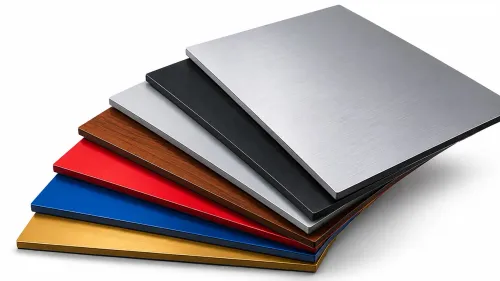
- ACP: test the actual panel finish, exposed edge and cleaning method; adhesion to the skin does not prove compatibility with the core.
- Glass: include low-e or other coated glass, spacers, setting blocks and gaskets in the compatibility review.
- Stone and concrete: inspect for staining or migration, even when adhesion passes. ASTM C1248 supports representative testing on porous substrates.
- Painted surfaces: identify the paint chemistry and cure condition; weak paint can fail beneath a well-bonded sealant.
Require project samples using the real substrates, primer and cleaning process. ASTM C794 supports adhesion testing, while ASTM C1135 applies to structural-glazing adhesion evaluation. ASTM C1087 helps assess compatibility with accessories and adjacent materials. A specialist supplier should coordinate these tests before installation, not after failures appear.
Read the technical data sheet before approving the cartridge
Approve a cartridge only when the exact technical data sheet links its cure chemistry, intended façade use and performance data to your system. Neutral-cure and acetoxy-cure silicones differ in odour, corrosion risk, adhesion development and substrate limitations, so do not accept a generic “glazing suitable” claim.
| Check | What to verify | Evidence to request |
|---|---|---|
| Intended use | Weatherseal, glazing-grade or structural silicone; movement class | Current product data sheet and manufacturer design values |
| Performance | Modulus, elongation, Shore hardness, tensile strength and adhesion limits | Declared values for the exact product and colour |
| Curing | Cure type, skin-formation time, cure rate, application temperature, service-temperature range, shelf life and storage temperature | Current technical data sheet and batch record |
| Substrates | Actual aluminium finish, ACP coating, glass, stone, concrete and painted surface | Product-specific adhesion results and preparation instructions |
| Accessories | Spacers, setting blocks, gaskets, backer rods, membranes, insulation facings and adjacent sealants | Compatibility assessment under ASTM C1087 |
Test project samples using the actual finish, cleaning method and primer condition. ASTM C794 supports adhesion evaluation; ASTM C1135 is relevant to structural-glazing adhesion. A clean aluminium coupon does not prove adhesion to PVDF, powder coating, anodising or a composite-panel finish.
For structural glazing, require documented project testing and engineering under ASTM C1401, with specification alignment to ASTM C1184. A site pull test or cartridge label cannot replace the façade engineer’s calculations. Reject the approval if the supplier cannot provide batch traceability, primer requirements and signed test records.
Use the dealer as a control point for supply, documents and testing
Before placing the order, require a silicone sealant dealer to prove that the material is traceable, current and suitable for your façade system—not merely show a familiar product name.
1. Request the exact technical data sheet and safety data sheet. Check whether the product is structural, weatherseal, glazing-grade or general-purpose, then verify cure chemistry, modulus, movement class, skin time, cure time, application temperature, storage temperature and required primer.
2. Record the batch number, manufacture date, expiry date and shelf life for every carton. Ask how the stock was stored; heat-damaged or expired cartridges can extrude poorly, skin prematurely, cure incompletely, lose adhesion or change colour.
3. Require written substrate guidance for the actual coated aluminium, ACP coating, glass, stone, concrete and painted surfaces. Neutral-cure and acetoxy-cure silicones are not interchangeable, especially near sensitive metals, stone or insulating-glass components.
4. Obtain compatibility testing and adhesion-test records for the specified sealant, substrates, backer materials, gaskets and adjacent coatings. A field peel or pull test can expose poor preparation, but it cannot replace laboratory compatibility testing or structural calculations.
5. For structural glazing, demand project-specific engineering and documented testing aligned with ASTM C1401 and ASTM C1184. A cartridge label or site pull test does not establish structural approval.
Qishma Decor can add value when it keeps these product, batch, substrate and test records together through the façade submittal and mock-up process. That file gives you evidence for acceptance, troubleshooting and warranty administration.
Design the joint correctly and verify the installation on site
A sealant joint lasts when its geometry allows movement instead of restraining it. Size the joint for panel dimensions, temperature range, installation temperature, substrate movement and the sealant’s allowable design strain—not a nominal width copied from another project.
Follow the specified joint width-to-depth ratio, then install a compatible backer rod or bond-breaker tape so the sealant bonds only to the two intended joint faces. Three-sided adhesion locks the bead to the back of the joint, increasing stress and encouraging adhesive or cohesive failure.
Check the installation before accepting the façade:
- Confirm the joint faces are clean, dry and free of dust, oil, release agents and loose coating; use the specified cleaner and primer.
- Record the sealant batch number and expiry date, and reject damaged or expired cartridges.
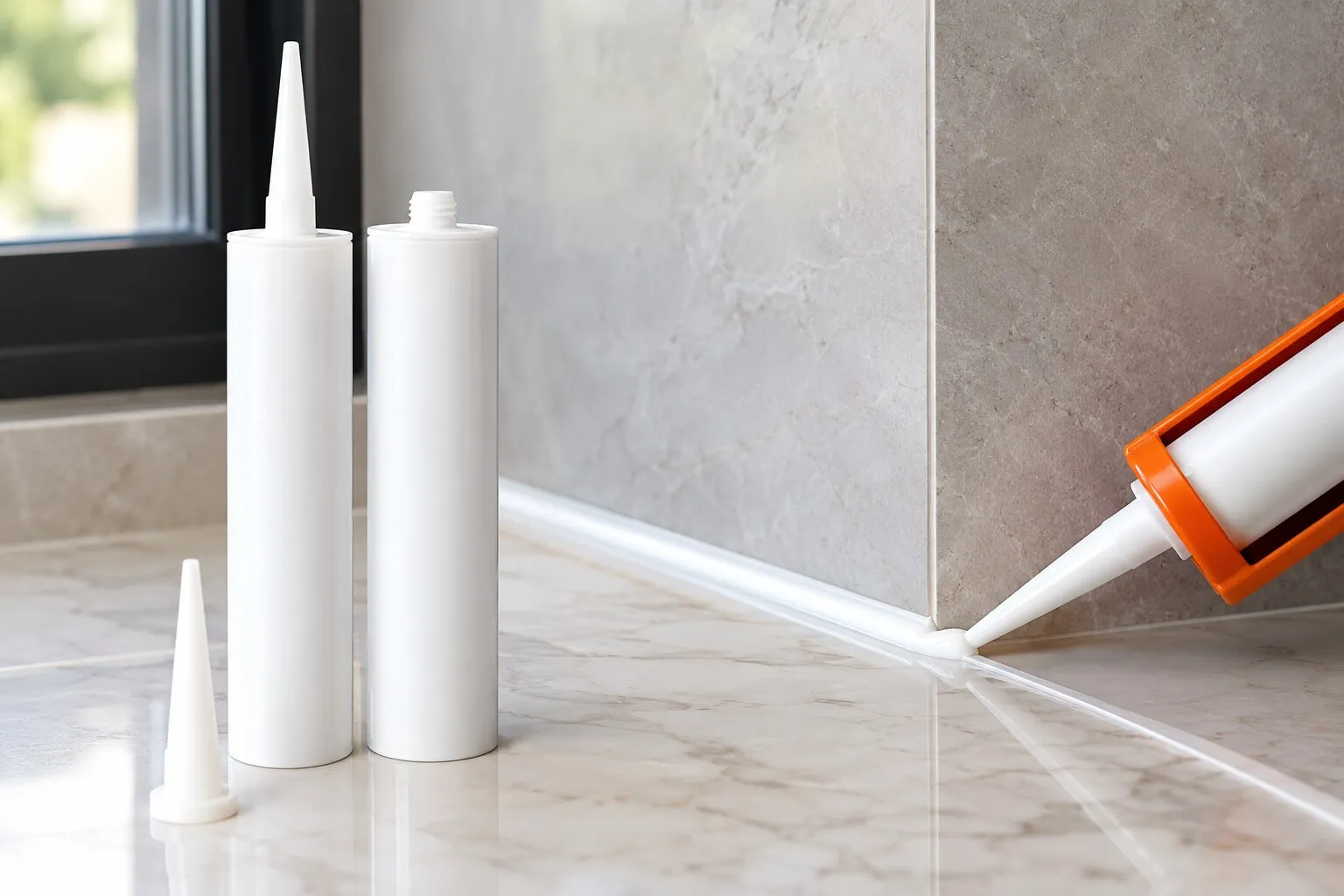
- Cut the nozzle to produce the designed bead size, not a narrow opening that leaves voids.
- Confirm the sealant fills the joint continuously, then tool it firmly against both bond faces without disturbing the backer rod.
- Check skin formation, cure and tooling conditions against the technical data sheet.
- Perform the specified peel or pull adhesion check after curing, using the method suited to the application.
A failed field adhesion check exposes poor preparation; it does not prove structural capacity. Structural glazing also requires project-specific engineering for wind load, dead load, bite and substrate adhesion under ASTM C1401 practice, supported by documented testing—not a simple site pull test.
Frequently asked questions
How do you choose between weatherseal, glazing and structural silicone?
Start with the joint’s function. Use weatherseal silicone for rain and air barriers, glazing silicone for glass-to-frame sealing, and structural silicone only when the design and tested system require it to transfer loads.
Why must cure chemistry and substrate adhesion match?
Silicone must cure correctly in the joint and bond to each contacting substrate. Check whether the product is neutral-cure or acetoxy-cure, then verify compatibility with aluminium, glass, coatings, stone and other materials present.
What should you check in a silicone sealant technical data sheet?
Check intended application, movement capability, cure time, skin time, service-temperature range, modulus, adhesion requirements, substrate preparation and limitations before approving a cartridge.
What should a dealer provide before façade sealant installation?
Ask for the technical data sheet, safety data sheet, batch or lot details, shelf-life information, test reports and application guidance. Use these documents to control product selection and site testing.
How do you verify a silicone joint on site?
Check joint width and depth, backer rod placement, primer use, substrate cleanliness, sealant tooling and adhesion. Record field adhesion tests and repair voids, bubbles or incomplete contact before handover.