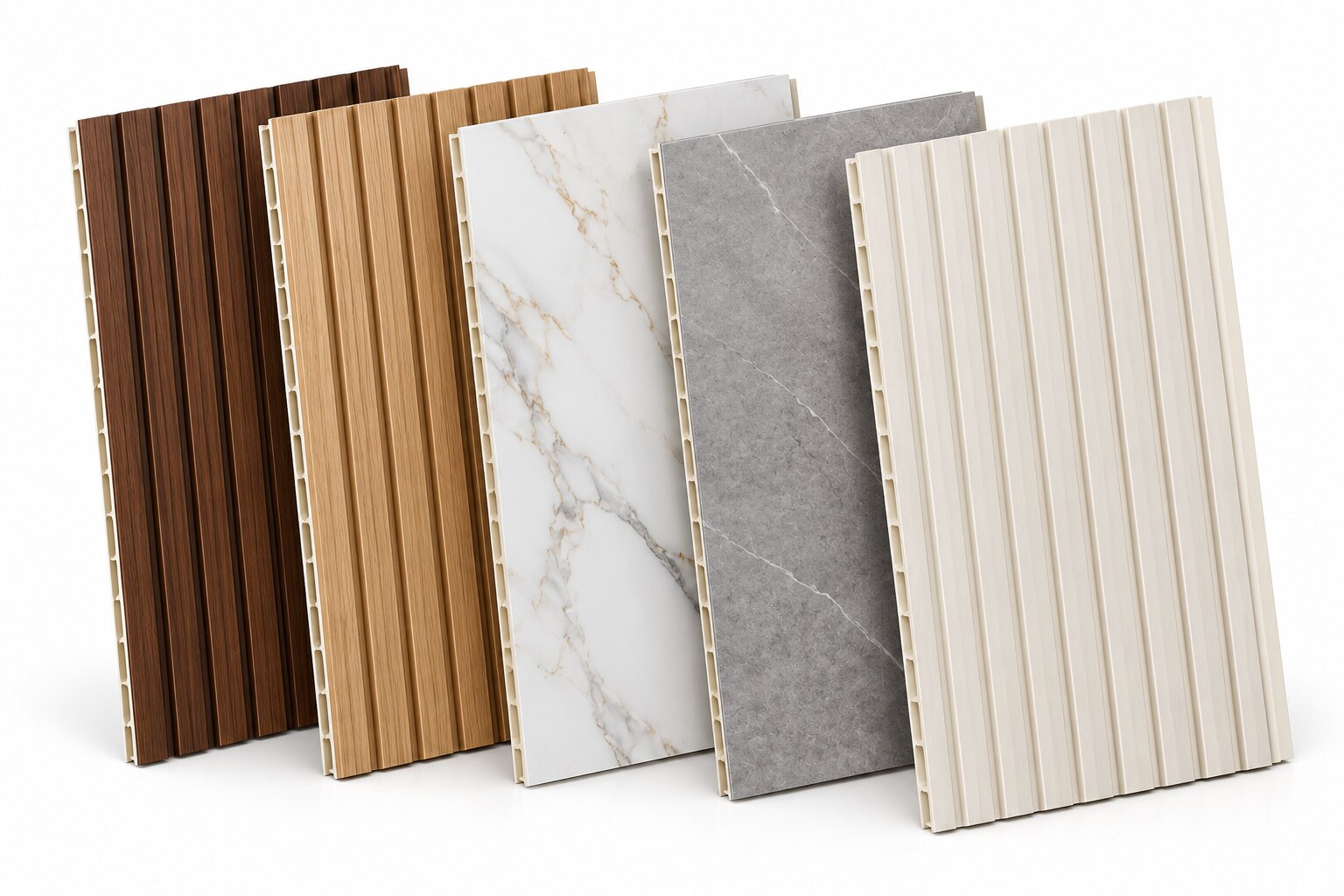
A decorative wall looks effortless only when its material, pattern, lighting and installation details work together. By the end, you will be able to match WPC sheets to each room, estimate the practical requirements and avoid failures caused by poor substrate preparation, unsuitable fixing or unrealistic maintenance expectations.
Key takeaways
- Match WPC texture and colour to the room’s lighting and furniture.
- Use feature walls to add texture without visually overcrowding shared spaces.
- Measure wall areas, subtract openings and add allowance for cutting waste.
- Check panel composition, dimensions, finish, cleaning needs and supplier support.
What WPC Wall Sheets Are and How They Compare with Other Finishes
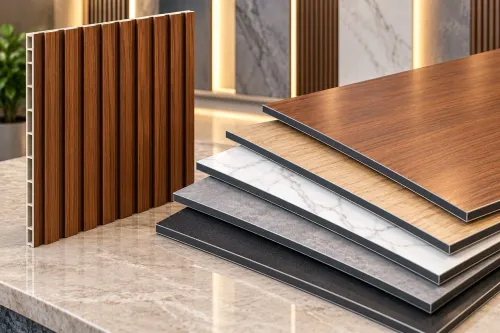
A WPC wall decorative sheet is an interior panel made from wood-plastic composite: wood fibre or flour bound with a polymer such as PVC, PE or PP, then coloured, textured or grooved.
The formula varies, so check the exact SKU’s water absorption, screw-holding, thermal movement, surface hardness and fire-test data rather than relying on the WPC label.
| Material | What makes it different | Main limitation |
|---|---|---|
| WPC | Gives a wood-like appearance with better moisture tolerance than untreated wood and easy-to-clean polymer content | Unsealed edges, joints and penetrations can admit water; it is not a waterproof wall assembly |
| PVC | Fully polymer-based, usually lighter and less wood-like in texture | WPC vs PVC depends on formulation, but PVC may offer less authentic grain and rigidity |
| MDF | Wood-fibre board with a smooth, machinable core | WPC vs MDF favours WPC in humid interiors; MDF needs careful sealing against moisture |
| Veneer | Thin natural-wood layer over a board substrate | Offers genuine grain, but colour variation, moisture damage and refinishing demand more care |
| Laminate | Decorative paper or film bonded to a rigid core | Resists everyday scuffing well, but chipped edges expose the core |
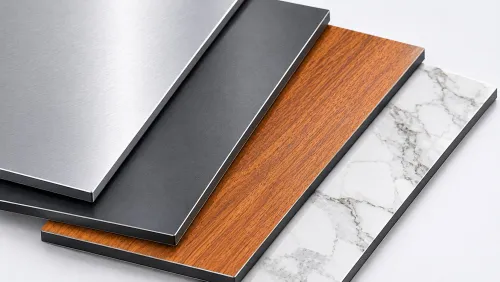
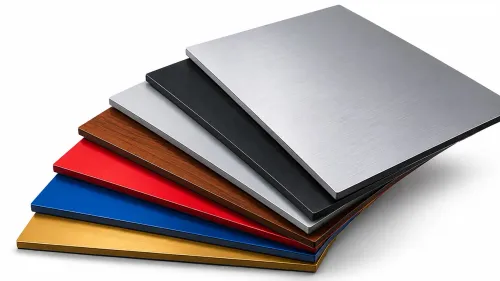
| Aluminium composite panel | Polymer or mineral-filled core between aluminium skins | Suits crisp, hard-wearing surfaces; WPC feels warmer and more timber-like |
Treat WPC as a finish, not a remedy for dampness, salt migration or condensation. Bathrooms need a compliant waterproof substrate, sealed transitions and ventilation. Solvent-based adhesives or cleaners can soften polymer-rich faces, so test compatibility on a hidden area before installation.
Feature-Wall Ideas for Living Rooms, Bedrooms and Shared Areas
A warm oak or walnut finish gives a living room depth without making it feel dark. Use vertical fluting behind the sofa or as a TV backdrop, then repeat the same wood tone in shelving, a console or one furniture detail.
Keep adjacent walls in warm white, greige or pale beige so the pattern remains the focal point.
| Room or area | WPC pattern and colour | Effective combination |
|---|---|---|
| Living room | Walnut slats, oak grain or charcoal stone effect | Matte paint, concealed lighting and a simple TV unit |
| Bedroom | Narrow vertical grooves in natural oak, beige or muted clay | Upholstered headboard, warm lamps and soft textiles |
| Passage or shared area | Light ash grain or broad horizontal panels | Plain paint, framed art and black or bronze trims |
| Reading or lounge corner | Deep green, terracotta or smoked wood | Cane, linen, timber and brushed metal accents |
For compact rooms, choose pale colours and vertical lines; they make the wall appear taller. Use dark WPC only on a controlled focal surface, especially where strong sunlight can increase heat and reveal shade variation.
Bedroom wall decoration works best behind the headboard, not on every wall. In shared areas, alternate a patterned panel with painted sections to prevent repetition. Combine WPC with glass, tile or metal through a deliberate reveal or trim, rather than forcing edges together.
Treat grooves as decoration, not guaranteed acoustic treatment. Bathrooms and splash zones need a waterproof substrate, sealed joints and ventilation; WPC alone is not a waterproof wall assembly.
Commercial Interior Concepts That Use WPC with Purpose
Repetition starts when every wall receives the same colour, direction and pattern. Use commercial WPC wall panels to assign each zone a visual job: welcome, focus, wayfinding, display or acoustic warmth.
- Reception: Make a reception desk backdrop with one fluted or slatted panel field, then keep adjacent walls painted. Add concealed lighting to emphasise depth without covering the entire lobby.
- Offices: Limit office wall cladding to meeting rooms, collaboration areas or a lift lobby. Pair a warm wood grain with plain acoustic fabric, glass or painted gypsum board.
- Retail stores: Treat the retail display wall as a changing merchandising frame. Choose a restrained stone-effect or dark textured sheet so products, signage and lighting remain the focus.
- Restaurants: Use WPC behind banquettes or on a feature wall, while keeping cooking, sink and direct splash areas on a separately waterproofed surface. Repeat one tone through the dining room instead of repeating one pattern.
- Corridors: Install panels as waist-height bands, door surrounds or end-of-corridor markers. Vary direction at junctions only with a deliberate reveal, or the changes will look accidental.
Combine WPC with aluminium composite panels through a transition profile or shadow gap, not a forced edge-to-edge alignment. Check the exact SKU’s fire, moisture and movement data, leave the supplier’s specified perimeter relief, and never use the finish to hide dampness, condensation or salt damage.
How to Specify Panels, Plan Quantities and Prepare the Wall
Order from a measured layout, not wall area alone. Confirm the WPC sheet thickness, WPC panel dimensions, usable face coverage, joining method, trim sizes and fixing system before comparing prices. Check that the chosen thickness will not foul sockets, skirting, door frames or adjoining aluminium composite panels.
1. Measure each wall’s width and height, then deduct doors, windows and large openings. Calculate panels by usable coverage, not nominal dimensions; add 5–10% for end cuts, damaged pieces and patterned alignment. Increase the allowance when fluted lines or directional wood grain must continue across joints.
2. Inspect the substrate before ordering installation materials. Masonry and plaster must be cured, dry, flat and free from loose paint, salt deposits and dust. Gypsum board needs firmly fixed sheets, sound joints and adequate backing at heavy fixtures. Existing tile must be securely bonded, degreased and free from hollow areas or cracked grout.
3. Test the wall for moisture, leaks and condensation. Do not cover unresolved dampness or salt migration; a non-breathing panel can trap water and hide deterioration. Bathrooms and splash zones need a compliant waterproof substrate or membrane, sealed penetrations and ventilation.
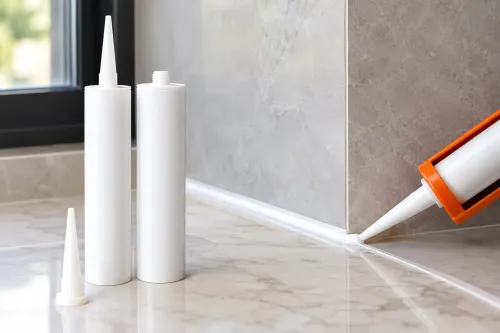
4. Confirm pull-out capacity, differential movement and adhesive compatibility. Run a small-area test because solvent-based primers, cleaners and sealants can soften or stain polymer-rich faces. Plan WPC wall panel installation with the supplier’s linear expansion data, perimeter relief and a WPC expansion gap at edges and movement joints.
Use clips or fixing slots on long runs where specified.
Cleaning, Durability and Supplier Checks for a Finished Interior
Protect the finished wall by controlling water, heat and abrasion after installation. For WPC wall panel maintenance, dust with a soft microfiber cloth and wipe marks with a damp cloth and diluted, pH-neutral detergent. Avoid scouring pads, acetone, strong bleach, steam cleaners and standing water; test any cleaner on an offcut first.
Bathrooms and splash zones need more than a moisture-resistant sheet. Seal edges, penetrations and joints, use a compliant waterproof substrate or membrane, and provide ventilation. A panel that tolerates humidity is not automatically suitable for an exterior wall, rainscreen or wet-room assembly.
Before approving the product, ask the supplier for:
- The technical data sheet for the exact SKU, including water absorption, screw-holding, thermal movement, surface hardness and UV exposure limits.
- The WPC fire classification and an EN 13501-1 report when Euroclass evidence is required. Check that the tested substrate, adhesive, air gap, finish and fixing method match your installation.
- Batch details and samples viewed under the project lighting; dark or sunlit walls reveal shade and gloss differences after cutting.
- Cleaning instructions, replacement availability and written limits for wet areas or outdoor use.
If Qishma Decor is coordinating surrounding aluminium composite panels, require a reveal or transition profile and documented tolerances instead of aligning raw edges. That prevents lipping, mismatched gloss and failed sealant joints.
Frequently asked questions
What are WPC wall decorative sheets made from?
They combine wood fibre or flour with a polymer such as PVC, PE or PP, then receive colour, texture or grooves.
Where can you use WPC wall sheets in a home?
Use them for living-room, bedroom and shared-area feature walls where you want added texture and visual definition.
How can businesses use WPC wall sheets effectively?
Apply them purposefully in reception areas, offices, hospitality spaces and other interiors where durability and a consistent finish matter.
How do you plan the quantity of WPC wall sheets?
Measure the wall, subtract doors and windows, divide by the panel coverage and add an allowance for cutting waste.
What should you check before buying WPC wall sheets?
Confirm panel dimensions, composition, finish, cleaning requirements, durability, installation method and supplier quality documentation.